2026 Top Police Anti Riot Suit Types for Global Buyers

The 2026 Police Anti-Riot Suit market is becoming more specialized, with buyers comparing protection, mobility, climate control, and certification. Market reports from Grand View Research and MarketsandMarkets identify growing demand for advanced protective clothing, driven by public-safety investment and improved material technologies. However, market growth does not make every product suitable.

A reliable Police Anti-Riot Suit should support lawful crowd-management duties without restricting movement or visibility. Buyers should examine impact coverage, abrasion resistance, ventilation panels, adjustable closures, and compatibility with helmets, shields, and communication equipment. The National Institute for Occupational Safety and Health emphasizes hazard-based PPE selection. ISO 13688 also provides useful guidance for protective-clothing design and labeling. Details matter.

Dr. John Howard, former Director of NIOSH, has emphasized, “PPE is the last line of defense.” That principle remains important here. A suit cannot replace planning, training, medical support, or proportionate operational judgment. It only reduces certain physical risks. No ranking is absolute. A heavy suit may improve coverage but increase heat stress and fatigue. A lighter design may improve mobility but leave weaker protection at joints. Grand View Research and MarketsandMarkets provide valuable market direction, yet their commercial forecasts cannot replace field trials or independent testing. Global buyers should request test reports, material specifications, sizing data, warranty terms, and supplier references. They should also verify local procurement requirements before purchase. The most impressive catalogue image may hide uncomfortable seams, poor ventilation, or limited service support. That lesson is easy to miss.
2026 Top Police Anti Riot Suit Types for Global Buyers

What Defines a Modern Police Anti-Riot Suit in 2026

2026 Top Police Anti Riot Suit Types for Global Buyers

What Defines a Modern Police Anti-Riot Suit in 2026

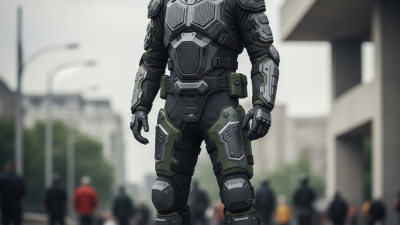
A modern police anti-riot suit must protect without seriously limiting movement, vision, or communication. In field evaluations, fit often matters as much as material strength. A rigid chest panel can resist impact, yet restrict breathing during prolonged deployment. Good designs use articulated joints, adjustable closures, and layered padding around the shoulders, elbows, knees, and shins. Ventilation channels are essential in warm climates. Moisture quickly turns comfort into a safety concern.

Materials should balance abrasion resistance, heat tolerance, flexibility, and manageable weight. Reinforced fabrics, impact-tested inserts, and secure fasteners support reliable performance. However, “more protection” is not always better. Excess weight may increase fatigue and reduce response time. This trade-off deserves honest testing. Buyers should request laboratory reports, traceable material records, and documented quality inspections. Independent assessments can reveal weaknesses that product demonstrations sometimes hide.

Visibility and communication now shape suit design. High-contrast panels, reflective details, and clear identification areas improve recognition in crowded environments. Compatible openings should support approved communication equipment without exposing vulnerable areas. Cleaning is another practical issue. A suit that cannot dry quickly or maintain its shape after repeated washing may fail early. Global buyers should conduct supervised wear trials across different body types and weather conditions. No design is perfect. Field feedback should continue after delivery.

Main Types of Anti-Riot Suits and Their Protective Functions

2026 Top Police Anti Riot Suit Types for Global Buyers

Main Types of Anti-Riot Suits and Their Protective Functions

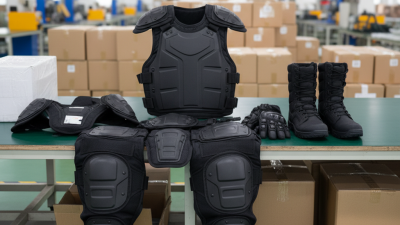
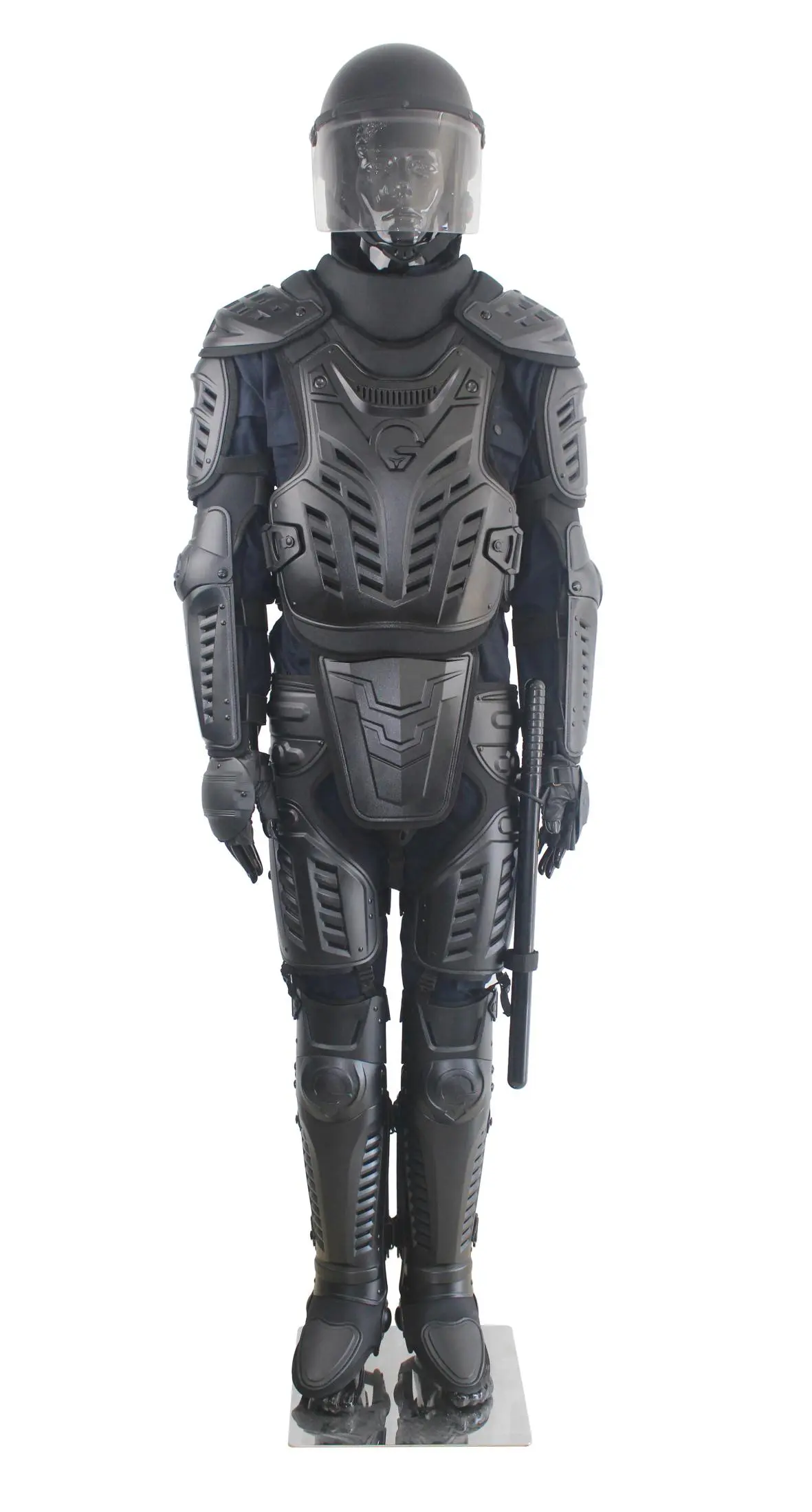
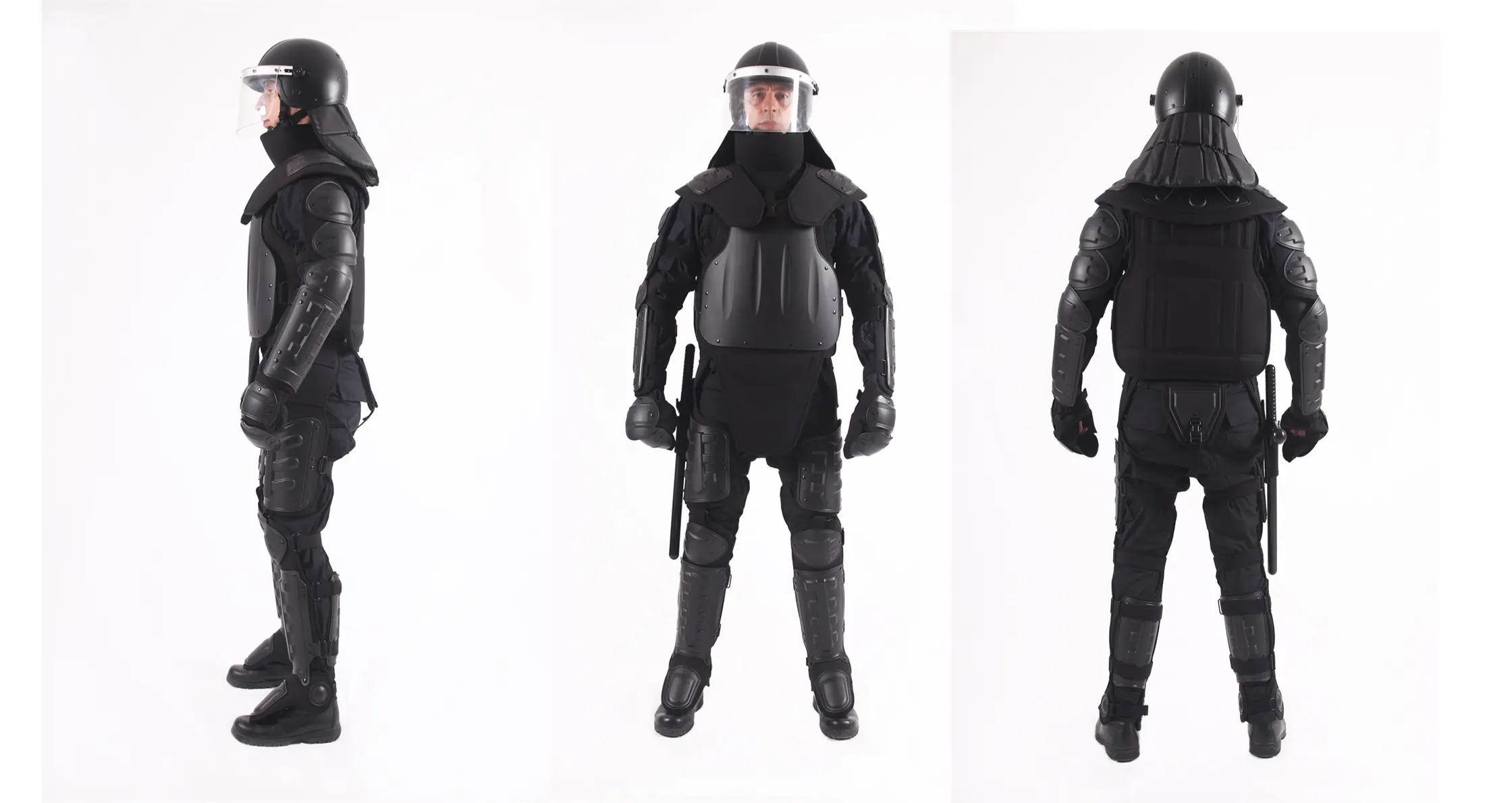
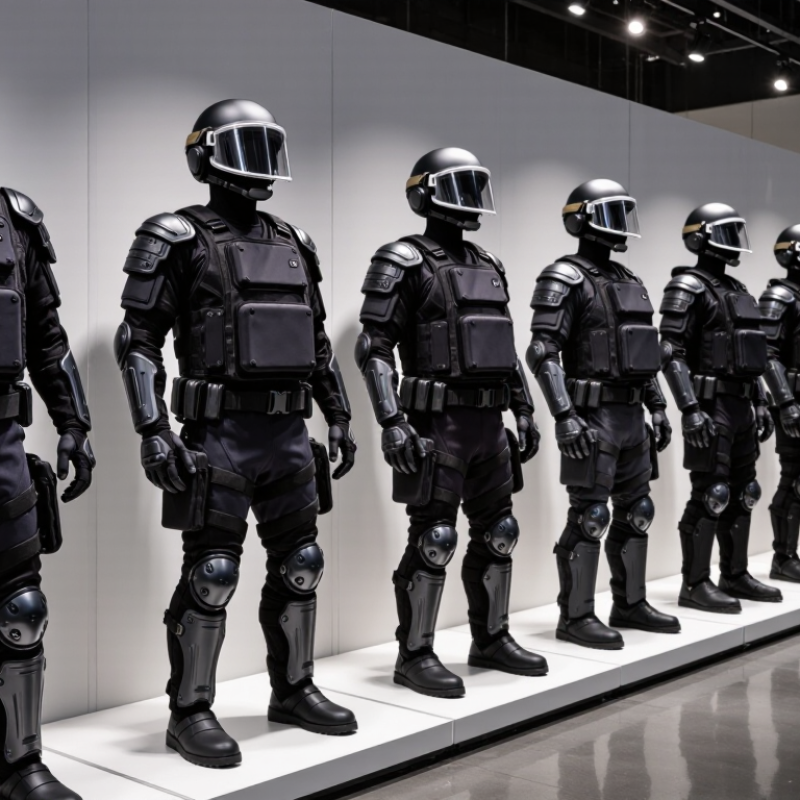
Modular anti-riot suits offer flexible protection for lawful public-order operations. They usually combine a padded jacket, arm guards, thigh protectors, knee shells, and shin plates. Hard panels help disperse blunt impacts across the body. Padded layers reduce abrasion during movement or accidental falls. Adjustable straps support different body shapes and uniform configurations.

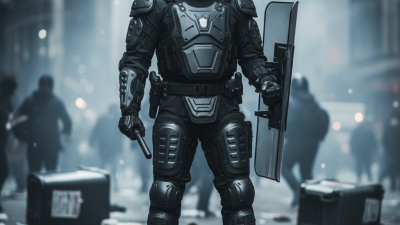
Full-body suits provide broader coverage for personnel facing extended outdoor deployment. Reinforced areas commonly protect the chest, shoulders, elbows, hips, knees, and lower legs. Heat-resistant outer fabrics can improve comfort near vehicles or warm environments. However, heavy coverage may reduce speed and increase fatigue. Buyers should test mobility with shields, helmets, and communication equipment.

Lightweight patrol suits suit shorter duties and warmer climates. Their lighter padding supports faster movement and easier vehicle access. Some models add removable panels for changing operational needs. Reliable selection depends on documented impact testing, material traceability, and clear maintenance guidance. Fit matters greatly. A strong panel can fail functionally when straps loosen or sizing restricts movement. Teams should inspect stitching, closures, ventilation, and visibility before every deployment. No suit prevents every injury. Heat stress, restricted vision, and poor training still demand serious attention. Local procurement teams should also confirm applicable safety rules and authorized-use requirements.

Key Materials, Components, and Fit Considerations

2026 Top Police Anti Riot Suit Types for Global Buyers

Material selection determines protection, weight, and service life. Aramid or high-tenacity woven fabrics can support cut and abrasion resistance, while polymer panels protect vulnerable zones. Buyers should request tested performance data, not rely on fabric names. EN ISO 13688:2013 emphasizes ergonomic design, marking, and controlled sizing for protective clothing. Seams deserve equal attention. Weak stitching can undermine strong panels. The wrong thread is an expensive mistake.

A complete suit may include a jacket, trousers, forearm guards, knee protection, gloves, and a helmet interface. Ventilation panels help release heat, but open gaps can reduce coverage. The U.S. NIOSH report Criteria for a Recommended Standard: Occupational Exposure to Heat and Hot Environments identifies impermeable or heavy protective clothing as a heat-risk factor. The World Meteorological Organization reported that 2023 was the warmest year recorded, making thermal management increasingly practical, not cosmetic.

Fit should allow a full squat, raised arms, and quick walking without pulling across the shoulders. Measure body circumference and inseam separately. Adjustable waist systems improve shared inventory, but excessive adjustment creates pressure points. Too loose is dangerous. Too tight restricts movement. Buyers should conduct wear trials with real duty layers and document discomfort after several hours. Fit testing is often rushed, and that weakness deserves review.

How to Compare Suit Standards for Different Operational Needs

Comparing anti-riot suit standards starts with the mission, not the product label. A short deployment may require lightweight protection, flexible joints, and clear visibility. Extended duty needs ventilation, moisture control, and manageable weight. Cold-weather operations demand insulation without restricting movement. The correct standard depends on these conditions.

A basic suit may cover the torso, shoulders, arms, legs, and joints. Higher protection types add reinforced panels, impact-resistant materials, and stronger fastening systems. Buyers should review test methods, impact levels, abrasion results, flame behavior, and chemical resistance claims. Certification documents must come from recognized laboratories. Supplier statements alone are not enough.

Fit testing deserves equal attention. Ask personnel to walk, kneel, climb stairs, and raise both arms while wearing the complete kit. Gaps around the neck, knees, or wrists can reduce protection. Excess pressure may create fatigue during long shifts. A heavier suit can look safer on paper, yet become a liability in hot conditions. That point is easy to overlook.

Field trials should include different body shapes and realistic weather conditions. Inspect stitching, closures, visibility panels, and replacement parts after repeated use. Procurement teams should also confirm cleaning instructions and service life. Standards may appear comparable across regions, but test procedures can differ. Independent technical review remains valuable when documents seem incomplete. Mistakes happen. A cautious comparison is better than a confident assumption.

2026 Top Police Anti Riot Suit Types for Global Buyers - How to Compare Suit Standards for Different Operational Needs

Suit Type Primary Operational Need Typical Protection Coverage Mobility Heat and Wear Burden Relevant Standards or Test References Key Procurement Criteria Best-Fit Environment
Lightweight Patrol and Public-Order Suit Routine patrols, demonstrations with a low to moderate risk of thrown objects, and rapid response duties. Textile torso and limb protection, removable hard-shell inserts, forearm guards, knee and shin protection, and optional groin protection. High
Prioritizes walking, vehicle use, stair climbing, and prolonged deployment.
Lower
Generally suitable for longer shifts when ventilation and moisture management are adequate.
EN ISO 13688 for general protective-clothing design and marking requirements;
EN 1621-1 and EN 1621-2 may be used for specified impact protectors where applicable;
EN 388 may apply to protective gloves.
Low garment weight, breathable panels, secure closures, washable construction, replacement inserts, and compatibility with body armour and communications equipment. Temperate climates, urban patrols, and extended stand-by periods.
Full-Body Standard Riot Control Suit Planned crowd-control operations where the wearer may face blunt impact, thrown debris, pushing, and falls. Integrated torso, shoulder, elbow, forearm, thigh, knee, shin, and groin protection, normally combined with a helmet and shield. Medium
Higher protection can restrict bending, running, and vehicle seating.
Medium to High
Ventilation, moisture-wicking liners, and duty-cycle limits are important.
EN ISO 13688 for general protective-clothing principles;
EN 1621 test methods may be specified for impact-protector components;
EN 397 or EN 443 should not be assumed unless the helmet is separately tested and certified to the applicable helmet standard.
Coverage continuity at joints, impact-test energy and test locations, retention during movement, field repairability, size range, and compatibility with shields. Organized public-order units and planned deployments.
Heavy Impact and Projectile-Debris Suit High-risk disorder involving rocks, bottles, metal fragments, vehicle hazards, or repeated blunt impacts. More extensive rigid or semi-rigid protection, reinforced chest and back, full limb coverage, enhanced shoulder protection, and robust helmet integration. Lower
Protection is increased at the expense of flexibility and endurance.
High
Requires heat-stress planning, hydration, rotation, and carefully defined wearing time.
EN ISO 13688 for general protective-clothing requirements;
EN 1621-1 and EN 1621-2 can be referenced for applicable impact protectors;
EN 166 or EN ISO 16321-1 may be relevant to separately specified eye and face protection, depending on the product and risk assessment.
Documented impact performance, no exposed gaps, visor and helmet retention, edge protection, load distribution, and compatibility with shields and respiratory equipment. High-risk urban operations and areas with frequent projectile use.
Heat-Optimized Riot Suit Public-order duties in hot or humid climates where heat stress is a major operational risk. Modular torso and limb protectors with ventilated carriers, moisture-management layers, and reduced nonessential coverage. High to Medium
Designed to preserve movement while retaining defined impact zones.
Medium
Lower than heavily enclosed systems, but heat burden remains significant during active movement.
EN ISO 13688 for general protective-clothing design;
ISO 11092 can be used to assess textile thermal resistance and water-vapour resistance;
ISO 9151 or ISO 6942 may be relevant only when a specific heat or flame hazard is included in the risk assessment.
Air permeability, evaporative resistance, drying time, ventilation openings that do not create unsafe gaps, antimicrobial or easy-clean liners, and replaceable padding. Tropical, desert, coastal, and high-humidity operating areas.
Cold-Weather Modular Riot Suit Winter deployments, cold climates, and operations requiring long periods outdoors with changing activity levels. Impact protectors over insulated or layered garments, with adjustable outer shells and protection at knees, shins, elbows, forearms, torso, and groin. Medium to High
Depends on insulation thickness and layering design.
Medium
Bulk and moisture accumulation must be controlled during active movement.
EN ISO 13688 for general protective-clothing requirements;
EN 342 may be relevant to certified ensembles for protection against cold, but should not be assumed for a riot suit without product-specific testing;
EN 343 may be relevant where certified protection against rain is required.
Layer compatibility, freedom of movement with winter clothing, waterproof-breathable performance, anti-slip footwear, glove dexterity, and cold-temperature material flexibility. Cold, wet, windy, or seasonal operating environments.
Chemical-Splash and Irritant-Agent Over-Garment Operations where accidental contact with cleaning agents, fuels, irritant formulations, or contaminated surfaces is reasonably foreseeable. Disposable or reusable over-garment, hood, gloves, and footwear protection selected according to the identified chemical hazard. Medium
Layering can reduce dexterity and increase snagging risk.
Low to Medium
Impermeable materials may substantially increase heat and moisture burden.
EN 13034 for limited protective performance against liquid chemicals, where applicable;
EN 14605 for liquid-tight or spray-tight chemical protective clothing, where applicable;
ISO 17491-4 provides spray-test methods for chemical protective clothing;
EN ISO 13688 applies to general protective-clothing requirements.
Substance-specific permeation and penetration data, seam construction, donning and doffing procedure, decontamination method, disposable-versus-reusable lifecycle, and respiratory protection compatibility. Industrial zones, chemical-storage areas, and incidents involving identified liquid hazards.
Flame and Flash-Heat Risk Suit Public-order operations near burning vehicles, fires, pyrotechnics, or other identified thermal hazards. Flame-resistant outer layers with impact protection, gloves, boots, helmet, visor, and optional neck and shoulder coverage. Medium
Thermal layers and protective assemblies can limit movement.
High
Thermal protection can increase metabolic and heat-storage burden.
EN ISO 11612 for clothing protecting against heat and flame;
ISO 13506 may be used for instrumented manikin evaluation of flame exposure;
ISO 15384 may be relevant to wildland firefighting clothing where that specific hazard profile applies;
EN ISO 13688 supports general design requirements.
Flame-spread behavior, heat-transfer performance, seam integrity, visor and glove compatibility, laundering durability, and clearly defined exposure limits. Fire-adjacent operations and areas with a documented thermal hazard.
Modular Mission-Configurable Suit Agencies requiring one platform that can be configured for patrol, crowd control, transport security, and specialist response. Base carrier with detachable shoulder, elbow, forearm, thigh, knee, shin, groin, and back modules. High to Medium
Configuration determines mobility and protection level.
Variable
Weight and heat burden rise as modules are added.
EN ISO 13688 for the garment system;
EN 1621-1 and EN 1621-2 may be used for relevant impact modules;
EN 388 may apply to gloves;
Additional standards should be selected according to chemical, thermal, visibility, or weather risks.
Tool-less adjustment, secure attachment under impact, common spare parts, module identification, size interchangeability, cleaning procedures, and documented performance of the complete configuration. Large organizations with varied missions and mixed climates.
High-Visibility Traffic and Public-Order Suit Crowd management around roads, transport hubs, stadiums, and night operations where wearer conspicuity is critical. Impact-protective base suit combined with fluorescent and retroreflective panels, visibility vest, or outer shell. High
Usually lighter than full heavy-impact systems.
Low to Medium
Depends on the outer shell, climate, and amount of protective padding.
EN ISO 13688 for general protective-clothing requirements;
EN ISO 20471 for high-visibility clothing where the garment is designed and certified for that purpose;
ISO 20471 does not certify impact, chemical, or riot protection.
Background material area, retroreflective performance, visibility after laundering, contrast layout, compatibility with body armour, and visibility in rain and low light. Roadside control, transport facilities, stadiums, and nighttime deployments.
Standards note: There is no single universally adopted global standard that certifies every complete police anti-riot suit. Buyers should request product-specific test reports, define the complete suit configuration, identify the exact hazard and impact zones, and verify that each component—not only the textile carrier—matches the required standard. EN ISO 13688 is a general protective-clothing standard and does not by itself demonstrate impact, chemical, flame, or ballistic protection.

Global Buyer Factors: Laws, Certifications, and Supplier Evaluation

Global buyers should treat anti-riot suits as regulated personal protective equipment, not ordinary uniforms. Common configurations include modular padded suits, full-body impact protection, and lighter limb-and-torso systems. The correct type depends on lawful duties, climate, mobility needs, and local procurement rules. There is no single global standard for every suit.

For European sales, suppliers should explain compliance with Regulation (EU) 2016/425 and relevant harmonized standards, including EN ISO 13688 for protective clothing requirements. Test reports must identify materials, impact areas, conditioning methods, and product models. Labels should show size, batch number, manufacturer, and care instructions. Check every detail.

Certification claims require skepticism. ISO Survey 2023 recorded 1,265,216 valid ISO 9001 certificates worldwide, but ISO 9001 does not certify protective performance. The European Commission’s Safety Gate 2023 report listed 3,412 product alerts, showing why traceability matters. Buyers should request accredited laboratory reports, sample-to-batch consistency records, chemical compliance documents, and factory quality procedures. On-site audits can verify stitching, fasteners, padding thickness, and replacement-part control. A polished certificate may still hide weak production discipline. Suppliers should also disclose limitations, expected service life, cleaning temperature, and failure conditions. Some evaluation steps are easy to overlook. That deserves review.