Why Is Military Gear Essential for Global Buyers?

Military Gear has become essential for global buyers because reliable equipment supports safety, mobility, and operational readiness. Buyers may work in humid forests, dry deserts, crowded cities, or freezing mountain regions. Each environment tests fabric strength, waterproofing, fasteners, and wearer comfort. Small failures matter. A broken buckle can delay movement. Poor ventilation can cause fatigue. Unclear sizing can reduce confidence and performance.

Paul Howe, a former U.S. Army Special Operations soldier and tactical instructor, has said, “Gear is only as good as the person using it.” This principle remains important for responsible procurement. High-quality Military Gear should match defined tasks, local conditions, and user training. It should also include clear specifications, tested materials, repair guidance, and dependable supply support. Buyers need more than attractive product images. They need evidence from field trials, documented quality controls, and transparent manufacturing information.

Global purchasing also requires careful attention to lawful use, safety standards, and ethical supply chains. Import rules, environmental requirements, and product certifications can differ between markets. A practical buyer checks these details before placing an order. No product is perfect. Even durable equipment may become uncomfortable after long hours, or perform differently after repeated washing. That limitation deserves honest discussion. Experience, not marketing language, reveals what works. The strongest purchasing decisions balance protection, comfort, cost, maintenance, and responsible use. This approach helps organizations select equipment that remains dependable when weather changes, schedules tighten, and conditions become unexpectedly demanding.
Why Is Military Gear Essential for Global Buyers?

Define Military Gear: Protection, Mobility, Communication, and Sustainment

Military gear is essential for global buyers because it supports people in demanding environments. It is not limited to uniforms or protective plates. The wider definition includes protection, mobility, communication, and sustainment. Each function must work together. A strong design means little if users cannot move comfortably or communicate clearly.

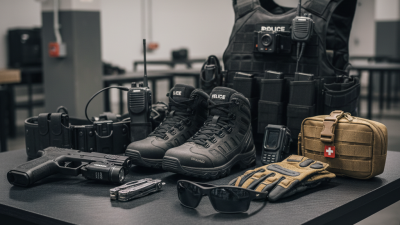
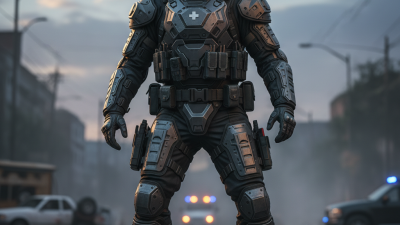
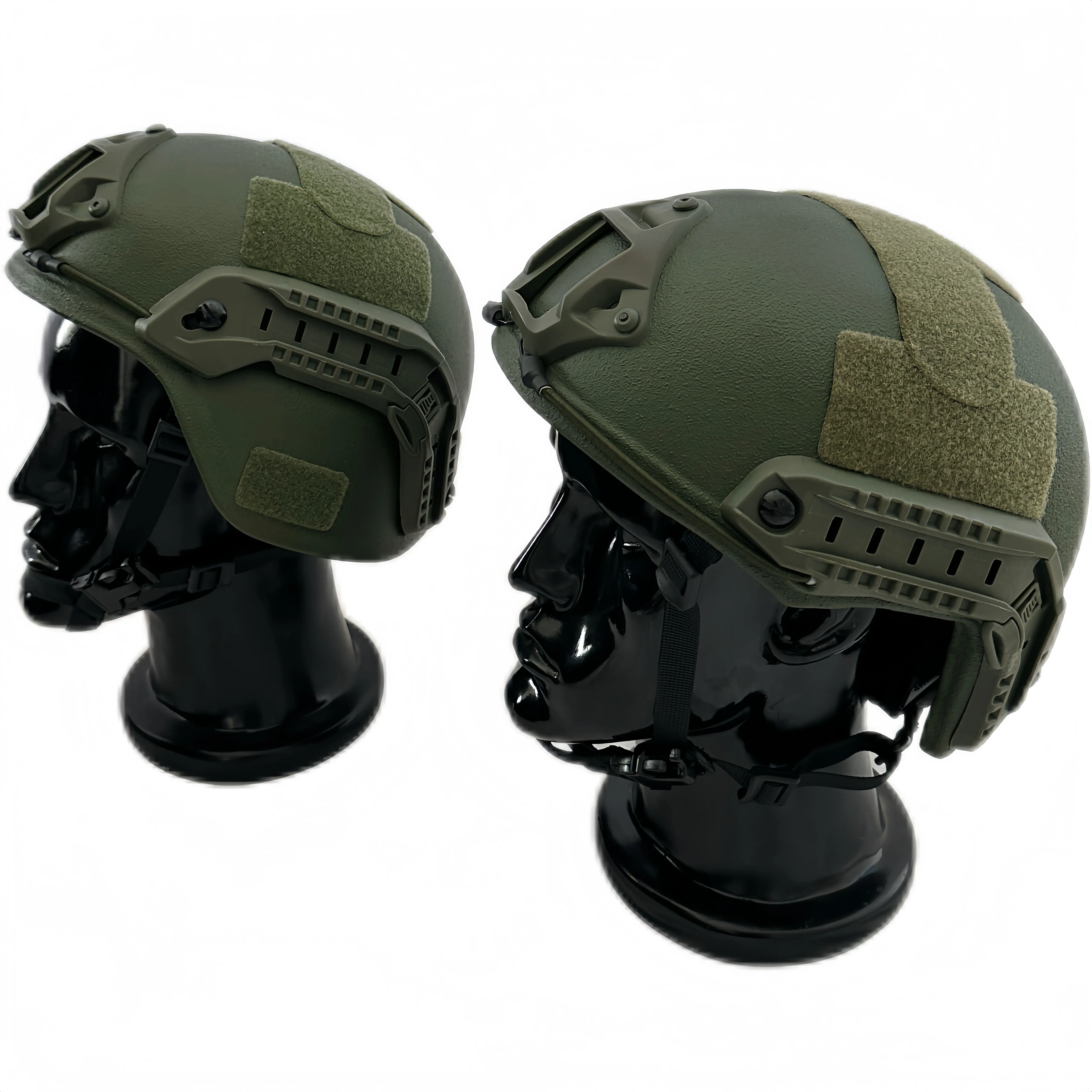
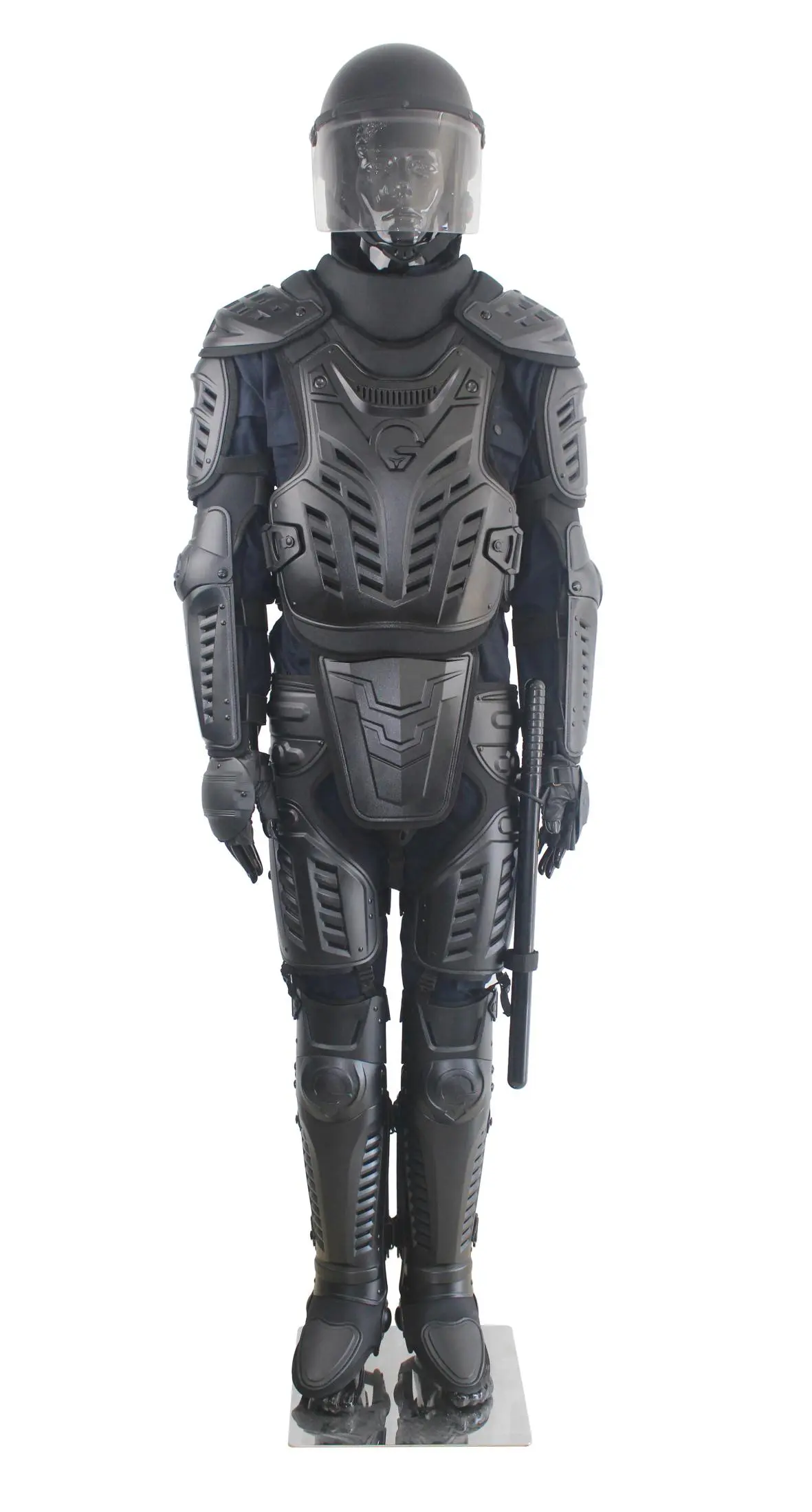
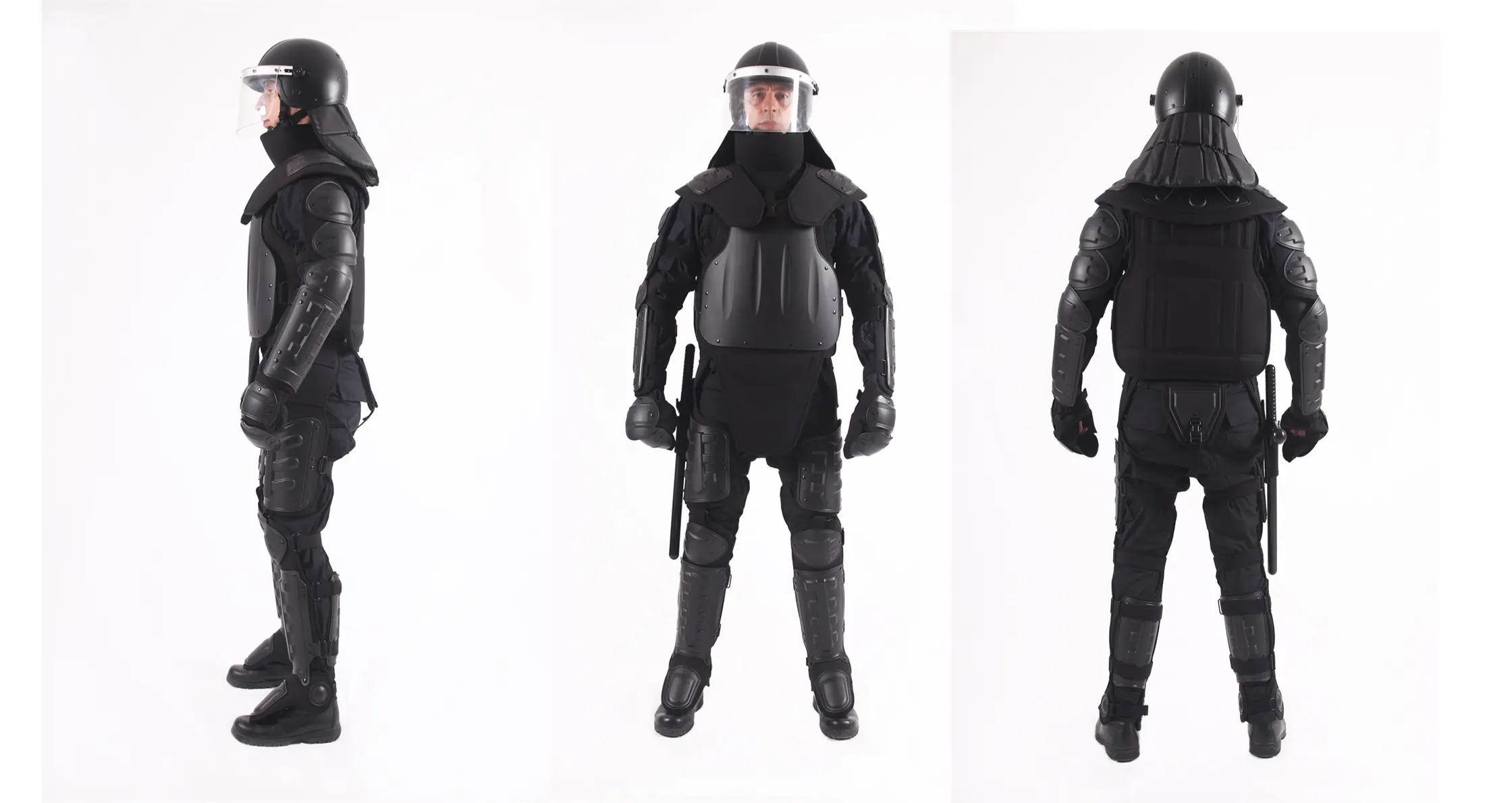
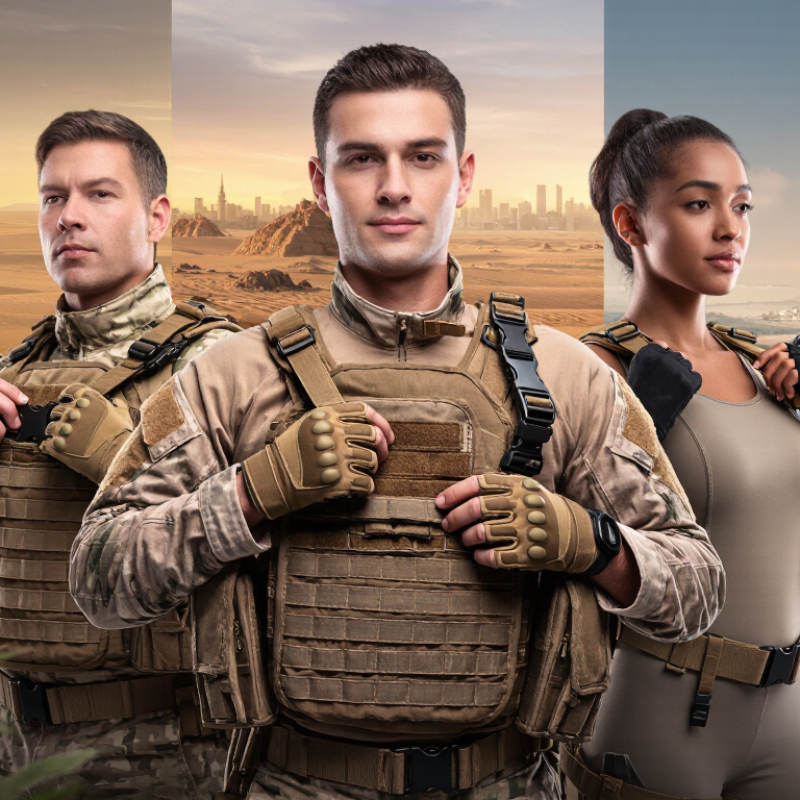
Protection may include helmets, body armor, eye protection, gloves, and weather-resistant clothing. These items should be tested against recognized safety standards and checked for proper fit.

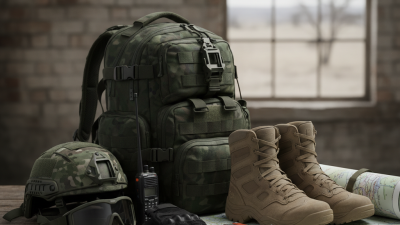
Mobility covers footwear, load-bearing systems, lighting, navigation tools, and transport support. Weight matters. Excess weight can reduce endurance and increase mistakes during long operations. Practical field trials often reveal problems that laboratory testing misses.

Communication equipment helps teams share accurate information across difficult terrain and changing weather. Clear audio, reliable power, and simple controls are important.

Sustainment keeps equipment usable through batteries, repair parts, maintenance instructions, medical supplies, and storage planning.

Global buyers should review product documentation, quality records, training support, and lawful import requirements before purchasing. No system is perfect. A specification may look impressive yet fail in rain, dust, or cold conditions.

Even experienced buyers can overlook repair time. That is why independent inspections, user feedback, and repeated testing remain valuable. Small details matter. A loose strap, weak seal, or confusing control can affect safety and performance.

Measure Global Demand: SIPRI Reports $2.718 Trillion in 2024 Military Spending

Why Is Military Gear Essential for Global Buyers?

SIPRI reports that global military spending reached $2.718 trillion in 2024. It rose by 9.4 percent in one year. This figure signals stronger demand for reliable protective, communication, transport, and field-support equipment. It also shows how security planning now affects many regions, not only active conflict zones. Public agencies and authorized contractors increasingly seek equipment that performs under heat, dust, rain, and long storage periods. Small details matter. A weak fastening system or unclear maintenance guide can create serious operational delays.

However, spending totals do not guarantee responsible procurement. The SIPRI figure measures expenditure, not product quality or public benefit. Buyers should examine technical testing, service life, supply continuity, and transparent documentation. They should also confirm import rules, end-use requirements, and export controls before placing orders. A low purchase price may hide expensive training or replacement costs. This is where professional evaluation becomes valuable. Still, even experienced teams can misjudge demand when political conditions change quickly.

Tips: Compare lifecycle costs, not only unit prices. Request clear specifications and inspection records. Test equipment in realistic weather. Keep compliance documents organized. Review suppliers regularly, because market conditions change.

Verify Protection: NIJ 0101.06 and STANAG 2920 Ballistic Benchmarks

For global buyers, military gear must be verified through recognized ballistic benchmarks. NIJ 0101.06 measures armor against defined handgun and rifle threats. Its Level III test uses 7.62 mm NATO ammunition at 2,780 feet per second. Level IV tests .30-06 armor-piercing ammunition at 2,880 feet per second. These figures come directly from the NIJ 0101.06 performance tables.

STANAG 2920 uses a different approach. It records V50, the velocity where half of the test projectiles are expected to penetrate. Testing commonly uses fragment-simulating projectiles, including 1.1-gram and 2.3-gram shapes. A higher V50 indicates stronger resistance, but it does not equal an NIJ pass level. Comparing both numbers without understanding the test method can create false confidence. Real protection also depends on coverage, fit, impact angle, temperature, storage, and repeated use. Laboratory results are controlled; field conditions are not.

Tips: Ask for the exact test report, projectile type, mass, velocity, test distance, and conditioning method. Check whether the report covers the complete armor system, not only a small plate. Inspect stitching, edges, and carrier wear during every procurement review. Certification language can sound precise, yet one missing detail may change the meaning. NIJ 0101.06 and NATO STANAG 2920 are useful benchmarks, but neither removes the need for independent verification.

Assess Interoperability: NATO STANAGs and ISO 9001 Quality Controls

Why Is Military Gear Essential for Global Buyers?

Assess Interoperability: NATO STANAGs and ISO 9001 Quality Controls

Military gear must work across units, vehicles, and communication systems. Interoperability reduces delays when teams operate with different equipment. NATO STANAGs provide shared technical references for communication, dimensions, testing, and operational procedures. Buyers should verify the exact standard, revision, and application. A product may claim compatibility but still fail during field integration.

ISO 9001 quality controls add a disciplined production framework. Buyers should examine documented processes, supplier evaluations, corrective actions, and batch traceability. Ask for inspection records, material certificates, and clear acceptance criteria. Practical checks matter too. Test connectors with gloves. Inspect fasteners after vibration trials. Confirm labels remain readable in dust, rain, and low light. These details reveal whether quality controls work beyond paperwork.

Compare Lifecycle Value: Durability, Maintenance, and Supply-Chain Resilience

Why Is Military Gear Essential for Global Buyers?

Compare Lifecycle Value: Durability, Maintenance, and Supply-Chain Resilience

Military gear is a long-term operational investment, not a one-time purchase. Field experience shows that strong fabric, reinforced seams, and corrosion-resistant hardware reduce replacement rates. However, durability alone does not guarantee value. A rigid component may survive heavy use but complicate repairs in remote locations. Buyers should examine test records, climate performance, and expected service life before selecting equipment.

Maintenance costs often decide the real price. Replaceable fasteners, accessible stitching, and clear repair instructions can shorten downtime. Standardized parts also simplify training and inventory planning. The first inspection is rarely perfect. Real users may discover weak closures, poor fit, or confusing documentation after deployment. That feedback should influence future purchasing decisions. Reliable suppliers should provide traceable materials, quality records, and responsive technical support.

Tips: Compare total lifecycle cost, not only the purchase price. Request samples for heat, moisture, abrasion, and repeated-use testing. Check whether critical components have more than one qualified supply source. Keep small repair kits near operating teams. Review failure reports every quarter, even when performance seems acceptable. Supply-chain resilience sometimes depends on simple details, such as accurate packing lists and stable replacement schedules. A product can be technically excellent yet unavailable when transportation routes change.