Top Police Equipment Trends for 2026 What Should You Know?
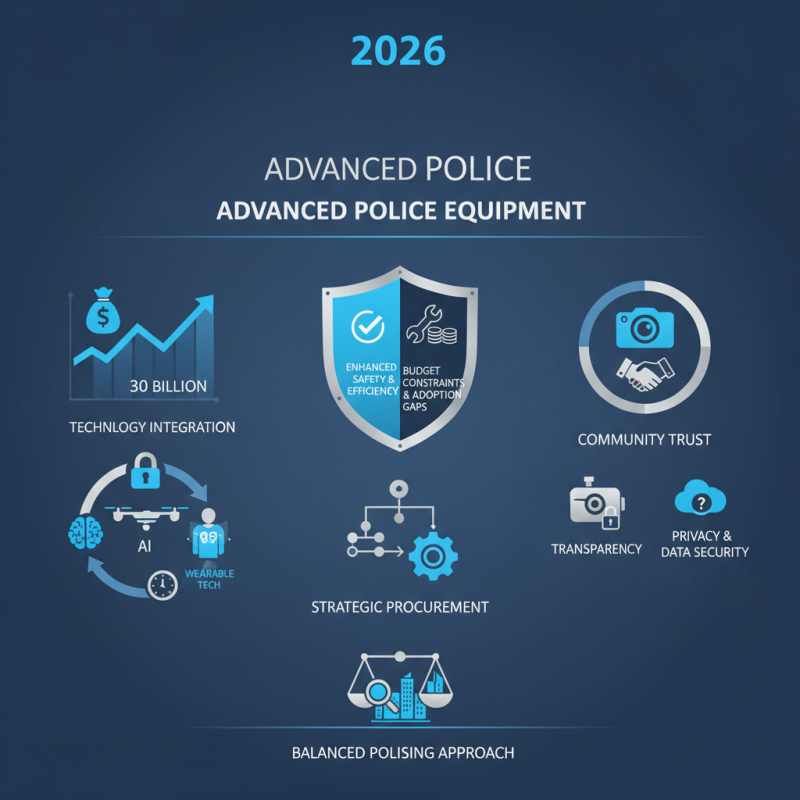
As we step into 2026, the landscape of police equipment is evolving rapidly. According to the latest analysis from the National Institute of Justice, the global market for police equipment is projected to reach $30 billion by 2026. This growth reflects the increasing need for advanced tools in law enforcement. Innovations in technology are reshaping how police officers operate daily.
Modern police equipment integrates AI, drones, and wearable technology. These tools not only enhance safety but also improve efficiency. However, challenges remain. Budget constraints often limit access to the latest gear. Many departments struggle to keep pace with rapid advancements. This gap highlights the need for strategic planning in procurement.
Moreover, the focus is shifting towards equipment that promotes community trust. For instance, body cameras have become standard in many jurisdictions. They foster transparency but also raise concerns about privacy and data security. As we analyze these trends, it's critical to reflect on not just what is available, but also what is needed for a balanced approach to policing in our communities.
Emerging Technologies in Police Equipment for 2026
Emerging technologies are transforming police equipment in 2026. Innovations in body cameras are evolving, enhancing clarity and functionality. These devices are smaller and more durable. They can now live-stream video directly to command centers. This instant connectivity allows for quick decision-making in critical situations.
Drones are making a significant impact as well. Designed for surveillance or crowd monitoring, they can access hard-to-reach areas. This capability provides officers with better situational awareness. However, privacy concerns arise. The balance between safety and civil liberties is a topic of ongoing debate.
Additionally, artificial intelligence (AI) is integrating into various tools. AI-driven analytics can process large datasets quickly. This technology identifies patterns and predicts criminal activity. Still, there are challenges. The accuracy of these systems raises questions. Over-reliance on AI may lead to errors or biases in policing strategies.
Advancements in Body Cameras and Surveillance Systems
As we approach 2026, body cameras and surveillance systems are evolving rapidly. Police departments are integrating advanced technologies. These tools are not just about capturing footage; they enhance accountability. Modern body cameras are compact and offer high-definition video. They can even record in low light. The clarity of these images aids investigations significantly.
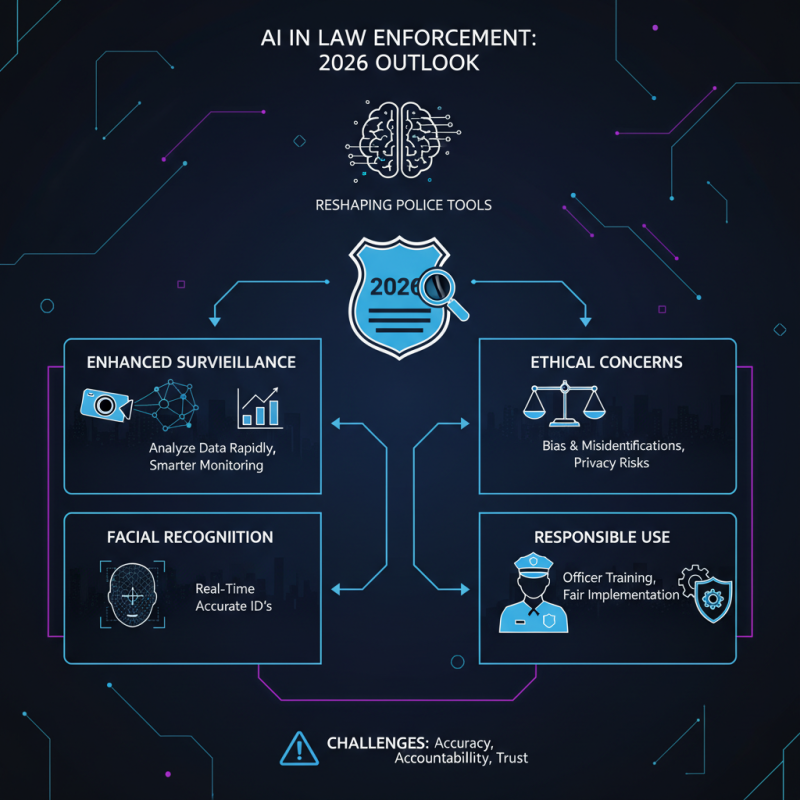
Surveillance systems are also becoming more sophisticated. Many now feature artificial intelligence capabilities. This allows for real-time analysis of suspicious activity. However, these advancements raise privacy concerns. How much surveillance is acceptable? The balance between security and privacy is delicate. Police must navigate these ethical waters carefully.
Feedback from officers shows mixed feelings about new technologies. Some embrace the efficiency; others feel overwhelmed. It's vital for police agencies to provide training. Officers need support to adapt effectively. As technology advances, it's crucial to consider its impact on the community. The conversation about transparency and safety must continue. This ongoing dialogue will shape the future of policing.
The Role of Artificial Intelligence in Law Enforcement Tools
Artificial intelligence (AI) is reshaping law enforcement tools significantly. By 2026, AI is expected to become integral in various police equipment. AI enhances surveillance systems, helping officers analyze vast amounts of data quickly. Facial recognition technology will evolve, providing more accurate identifications in real time. However, these advancements raise ethical concerns. Misidentifications can lead to wrongful accusations. Officers must be trained to use these tools responsibly.
Predictive policing is another area where AI shows potential. Algorithms can analyze crime patterns to forecast where incidents may occur. This may help allocate resources more effectively. Yet, relying solely on data can lead to biased outcomes. Not all neighborhoods are represented equally in historical data. Therefore, police must remain aware of these flaws as they implement such technologies.
AI-assisted communication tools can also enhance police-community interaction. Chatbots can provide quick responses to public inquiries. This immediate support is beneficial, but it cannot replace human interaction. Community trust is built on personal connections. AI may assist, but it cannot fully engage on an emotional level. Law enforcement agencies must find a balance between technology and genuine human contact.
Innovations in Personal Protective Equipment for Officers
In 2026, innovations in personal protective equipment (PPE) are expected to transform the policing landscape. Lightweight materials will replace traditional, bulky gear. This shift will enhance mobility for officers. Imagine a vest that adapts to body temperature. Such designs could improve comfort during long shifts.
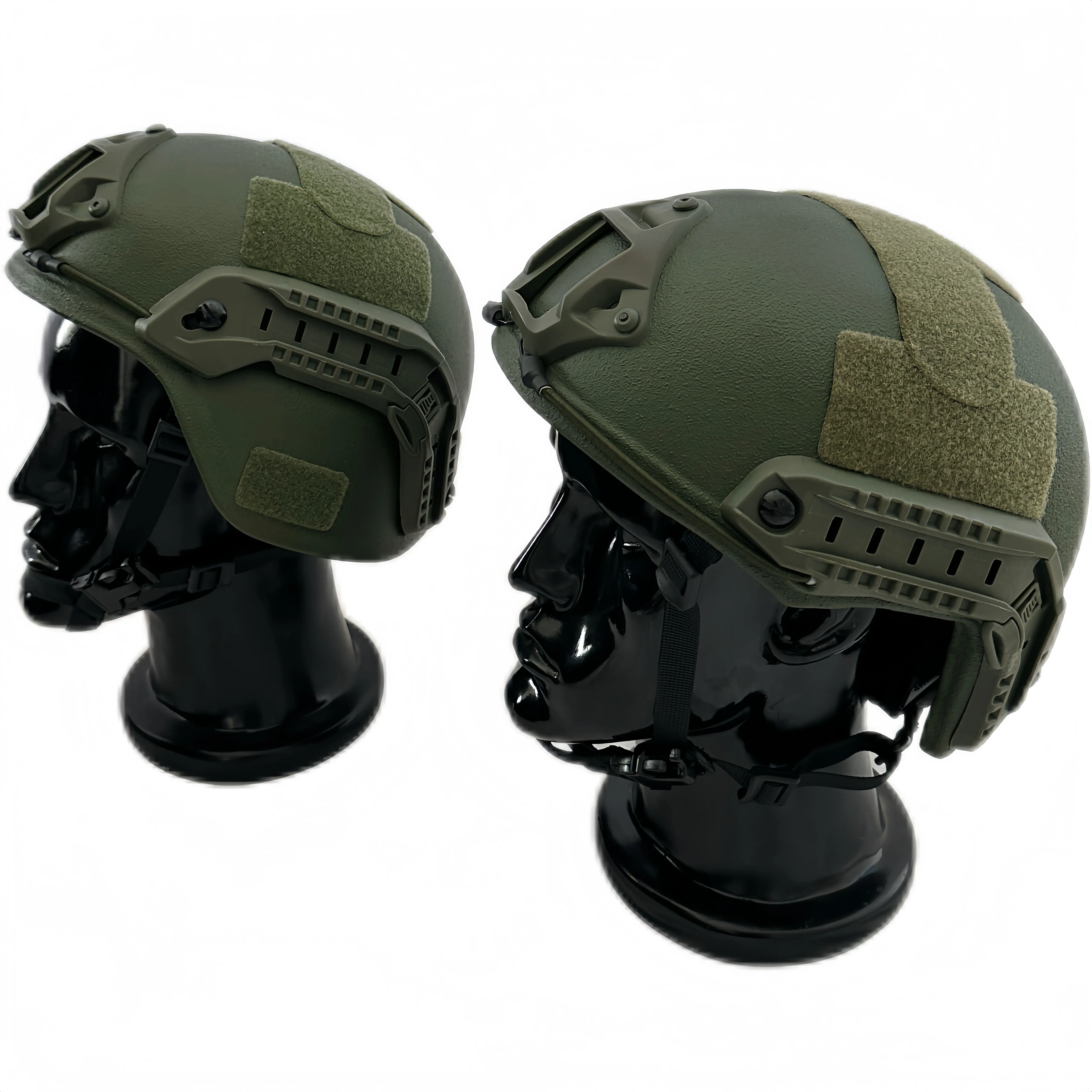
Integrated technology will be a critical feature. Think of helmets with built-in communication systems. Officers could stay connected in real time. Smart fabrics may monitor vital signs, alerting teams to officer fatigue or stress. These advancements aim to increase safety and efficiency.
However, there are challenges to consider. Not all new technologies perform flawlessly under harsh conditions. Equipment durability remains a concern. Officers must adapt to training on new gear, which can be time-consuming. Balancing innovation with practicality will be essential for approval and usage in the field.
Top Police Equipment Trends for 2026
This chart illustrates the projected advancements in personal protective equipment for police officers by 2026. The data highlights the percentage of adoption for various innovations including wearable technology, advanced body armor, and integrated communication systems.
Trends in Non-Lethal Weapons and Their Impact on Policing
The trend toward non-lethal weapons is reshaping modern policing. According to a recent report by the International Association of Chiefs of Police, around 60% of law enforcement agencies are expanding their non-lethal arsenal by 2026. Agencies recognize the need for alternatives to deadly force. These tools can help de-escalate violent situations, reducing fatalities for both officers and suspects.
Tasers, rubber bullets, and bean bag rounds are becoming more prevalent. They offer new ways to manage potentially dangerous encounters. In a study conducted by the National Institute of Justice, it was found that when officers employ non-lethal options, there is a 30% reduction in serious injuries. However, these alternatives are not without flaws. Misuse can still lead to significant harm and legal complications. Law enforcement must continuously evaluate their training around these tools.
Community perceptions of non-lethal weapons vary widely. Some view them as a safe choice, while others express concerns over potential misuse. Police agencies must address this gap through transparency and education. The challenge lies in striking a balance between effective policing and community trust. Implementing non-lethal options requires careful consideration and ongoing dialogue with the public.