2026 Best Anti Riot Suit for Global Buyers?

Choosing the 2026 Best Anti Riot Suit requires more than comparing prices or adding protective layers. Global buyers should examine certified materials, ergonomic design, heat management, visibility, and documented quality control. The strongest options protect users without unnecessarily restricting movement.

Dr. Linda M. Goldenhar, an occupational safety researcher, has emphasized, “Protective equipment works best when it fits the task, the worker, and the environment.” This principle remains highly relevant. A suit may resist impact, yet still fail if it causes overheating, poor balance, or limited communication. Small details matter. Adjustable closures should remain secure after repeated movement. Visors need clear optical performance under dust, rain, and changing light. Interior padding should feel stable, not loose or bulky.

Reliable manufacturers should provide material specifications, test methods, inspection records, and care instructions. Buyers should also confirm local procurement rules, training requirements, and lawful deployment conditions before ordering. Compliance is not a decorative label. It is evidence that deserves verification.

This overview compares leading Anti Riot Suit models through practical criteria, including protection, mobility, durability, comfort, maintenance, and supplier transparency. Some ratings may remain subjective. Real users differ in climate, workload, and body shape. That limitation matters.

The best suit is not always the heaviest one. It is the one that supports controlled, responsible work while reducing avoidable risk. Each model deserves careful review, not automatic trust.
2026 Best Anti Riot Suit for Global Buyers?

What Is an Anti-Riot Suit and How Does It Work?

2026 Best Anti Riot Suit for Global Buyers?

What Is an Anti-Riot Suit and How Does It Work?

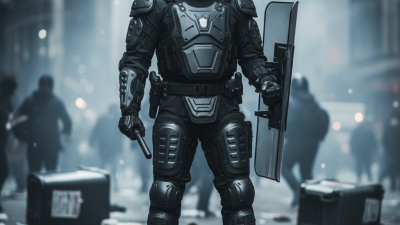
An anti-riot suit is protective equipment designed for trained personnel during lawful crowd-management duties. It reduces injury risks from impacts, abrasions, heat, and accidental falls. The suit does not make the wearer invulnerable.

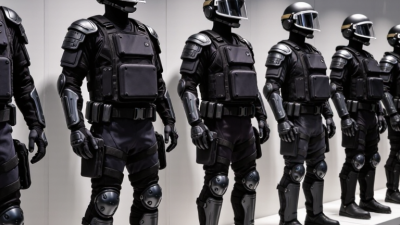
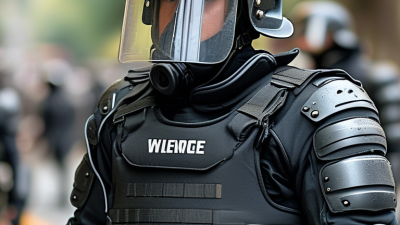
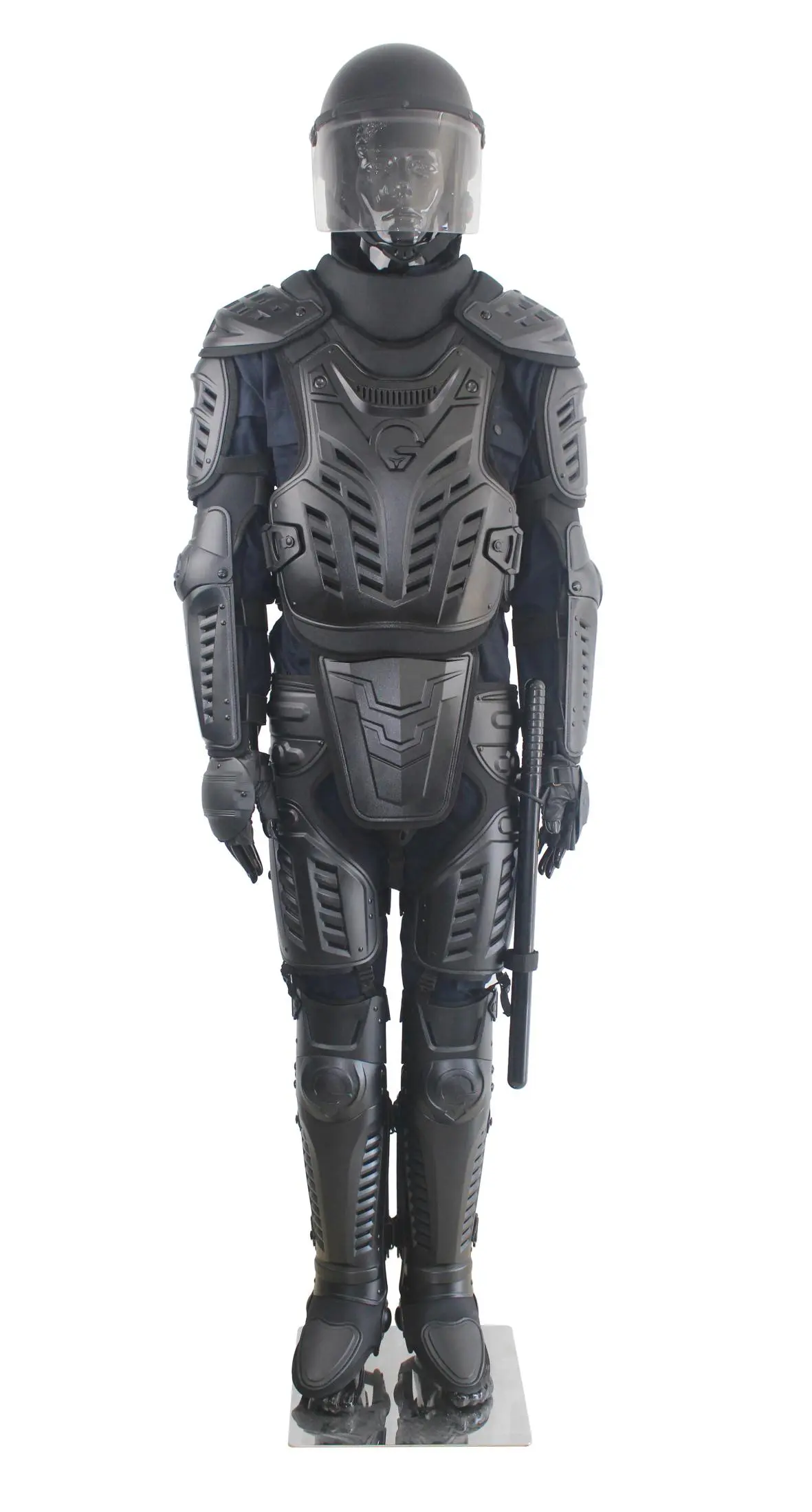
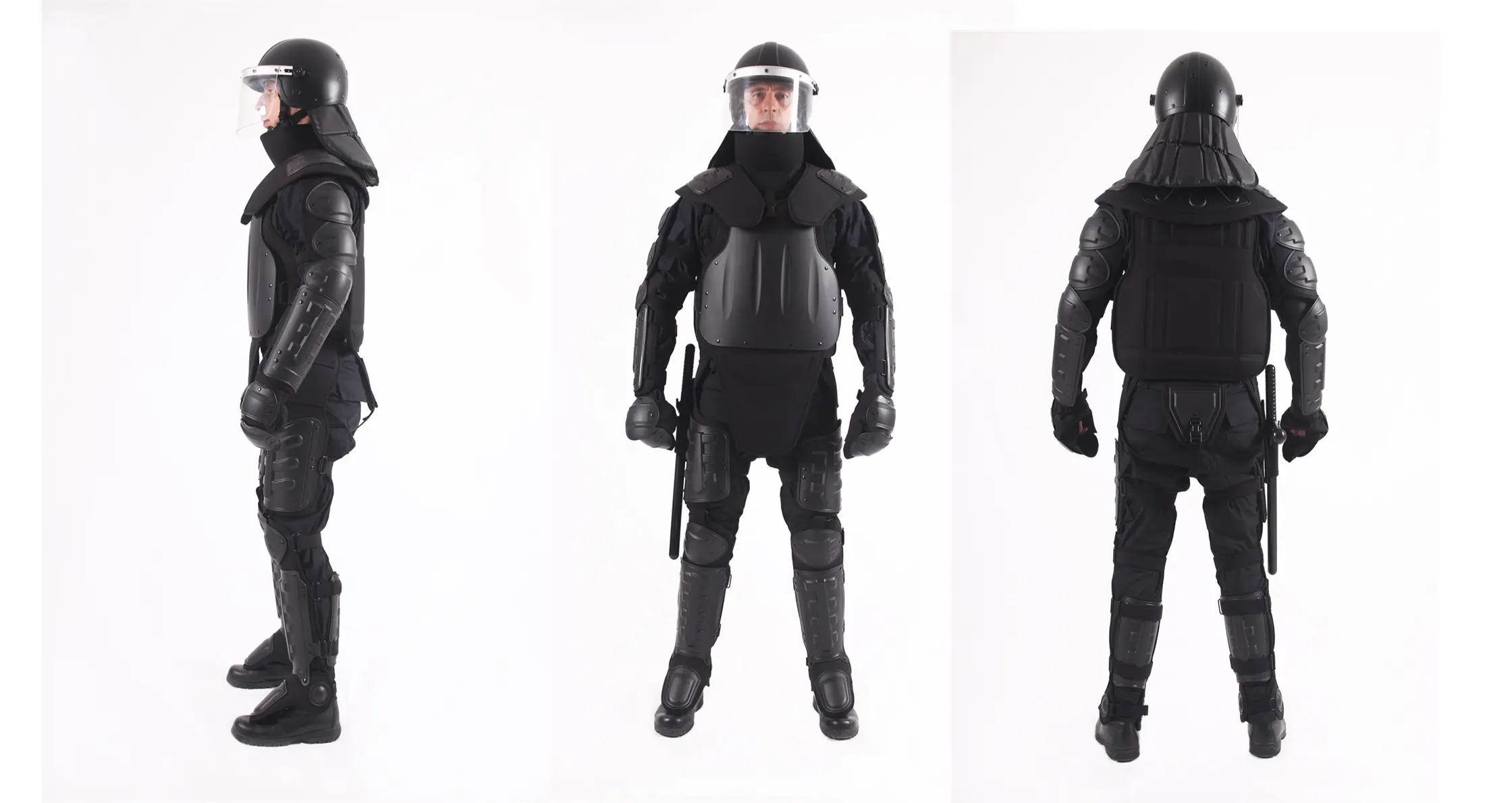
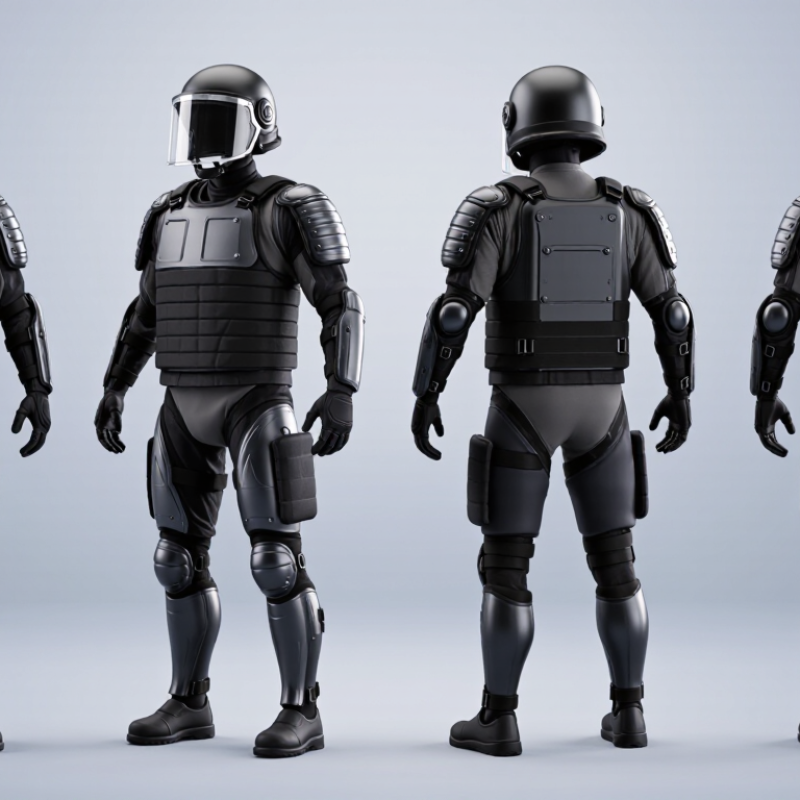
Its protection usually comes from several layers. Tough outer fabric resists tearing. Padded sections cover the chest, shoulders, elbows, hips, knees, and shins. Hard protective inserts spread impact across a wider area. A helmet, face shield, gloves, and reinforced boots complete the system.

Fit matters greatly. Too loose, and the padding can shift. Too tight, and movement becomes restricted. During a practical fitting check, the wearer should bend, walk, raise both arms, and kneel. Pay attention to pressure around the neck and knees. Small discomfort can become a serious distraction.

Ventilation is equally important. Dense padding can trap heat during long periods of standing. Moisture-wicking inner fabric may improve comfort, but it cannot replace regular breaks and hydration. Closures should stay secure without slowing removal.

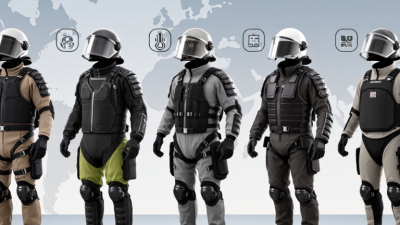
Global buyers should review material tests, size charts, care instructions, and local certification requirements. Independent laboratory documentation is more reliable than impressive product claims. Inspect stitching, buckles, visor clarity, and protective inserts before every use.

One detail is easy to underestimate: maintenance. Dirty or damaged equipment may perform differently. Even a high-quality suit needs trained users, clear procedures, and honest inspection records.

Key Components and Protective Features of Modern Anti-Riot Suits

Modern anti-riot suits are built as layered protective systems, not simple uniforms. A typical design combines impact-resistant panels, flame-resistant textiles, gloves, boots, and a helmet with a clear visor. The outer shell should resist abrasion while allowing controlled movement. Materials must also manage heat, moisture, and repeated cleaning.

Protection depends on more than thickness. Chest, shoulder, elbow, knee, and shin coverage should match realistic impact zones. Secure closures help prevent gaps during movement. A balanced helmet can reduce neck strain during long shifts. However, extra armor may increase heat stress and limit flexibility. This trade-off deserves honest testing. Buyers should request material specifications, test reports, sizing charts, and maintenance instructions. Independent laboratory evidence is more reliable than sales claims.

Tips: Check every adjustment point while wearing gloves. Walk, kneel, raise both arms, and sit before approving a suit. Inspect visor clarity, seam strength, and ventilation. Ask whether replacement parts are available locally. Confirm that the equipment meets applicable workplace and import requirements in the destination country. Train users in fitting, inspection, cleaning, and storage. A suit can look strong but still fail through poor sizing or neglected maintenance. Field feedback should guide future purchases.

2026 Best Anti Riot Suit for Global Buyers? - Key Components and Protective Features of Modern Anti-Riot Suits

Suit Component Typical Construction Primary Protective Function Useful Selection Data Buyer Verification Points
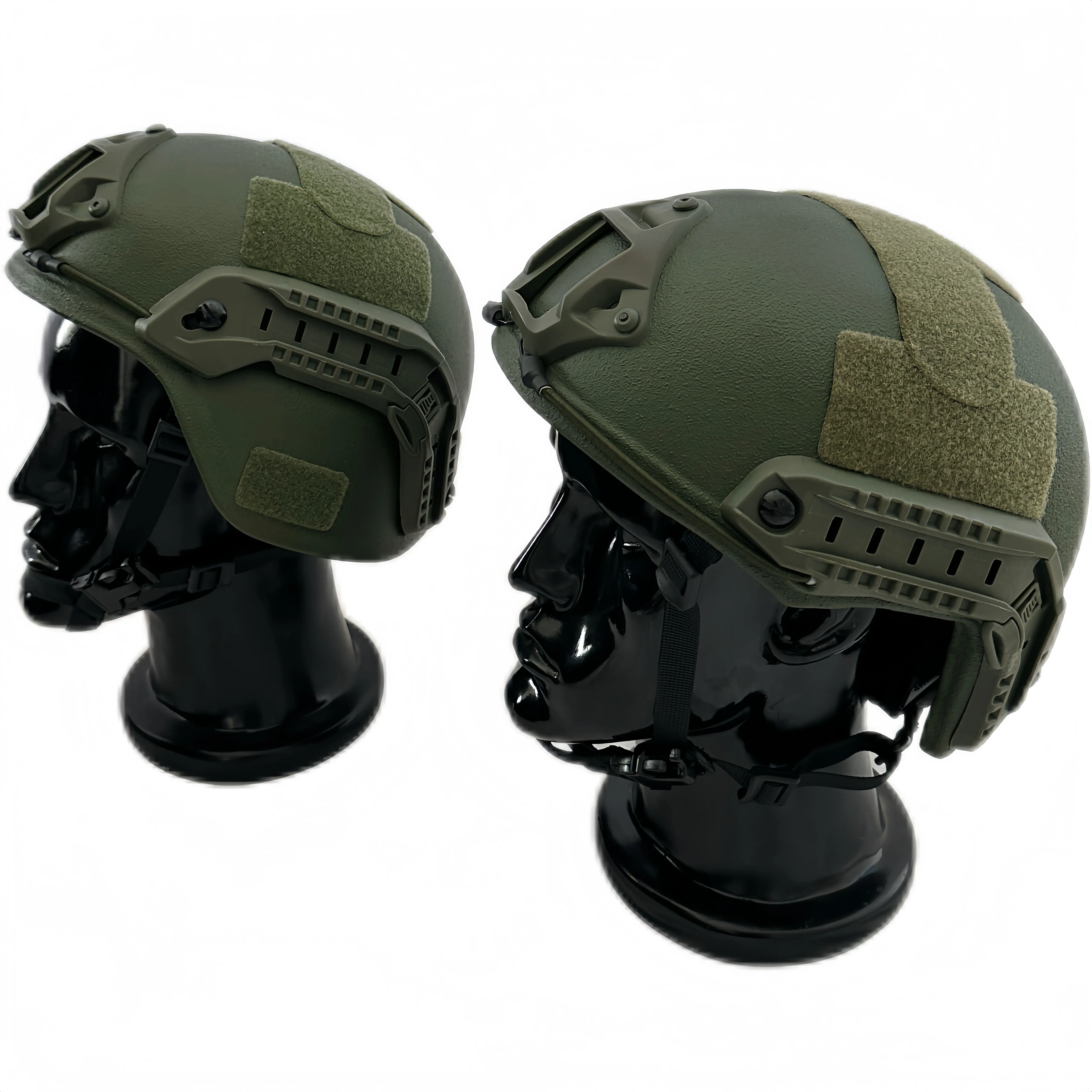
Helmet and Face Shield Impact-resistant polymer shell with a transparent polycarbonate visor, adjustable retention system, ventilation openings and replaceable padding. Helps protect the head from blunt impacts and the face from flying debris, liquid splashes and limited contact hazards. Full-face coverage Anti-fog treatment Wide field of view Secure chin retention Request documented impact testing, visor optical-quality information, replacement-part availability and compatibility with communication equipment.
Neck and Throat Guard Overlapping polymer or molded protective panels attached to the helmet or upper torso, commonly combined with abrasion-resistant textile sections. Covers the vulnerable neck and upper-throat area while allowing sufficient head movement. Overlapping panels Adjustable closure No restricted breathing Check that the guard does not interfere with helmet rotation, radio cables, respiratory equipment or emergency removal.
Torso and Chest Protector Multi-panel hard-shell armor or semi-rigid inserts over a padded textile carrier; commonly made with molded thermoplastics and closed-cell foam. Reduces the effect of blunt impacts to the chest, ribs, abdomen and back and helps spread localized force over a wider area. Front and rear coverage Adjustable fit Ventilated design Low-profile edges Confirm whether the product is tested for blunt impact only. Riot armor should not be assumed to provide ballistic or stab protection unless separately certified.
Shoulder and Upper-Arm Protection Articulated polymer caps with overlapping upper-arm panels, mounted on adjustable straps or a textile carrier. Protects the shoulder joint and upper arm while preserving arm elevation and forward reach. Articulated movement Overlap with torso armor Secure straps Test the range of motion while holding a shield, baton or other approved equipment. Check for exposed gaps between shoulder, chest and arm panels.
Elbow and Forearm Guards Molded impact shells over shock-absorbing foam, often connected by abrasion-resistant sleeves or adjustable hook-and-loop straps. Helps protect elbows and forearms during falls, contact with hard surfaces and direct blunt impacts. Articulated elbow cup Forearm overlap Non-slip retention Check that the guard remains centered during repeated bending and does not restrict wrist rotation or interfere with gloves.
Gloves and Hand Protection Cut-resistant or abrasion-resistant textile construction with padded knuckles, molded finger protection and reinforced palm areas. Protects hands from abrasion, impact, broken surfaces and some cut hazards while maintaining grip and dexterity. Reinforced palm Padded knuckles Tactile grip Secure wrist closure Verify the exact cut-resistance test method and performance level. Cut resistance is different from puncture, needle or ballistic protection.
Groin and Lower-Abdomen Guard Anatomically shaped polymer or composite cup supported by a padded, adjustable carrier and lower-abdomen panels. Helps protect sensitive lower-abdominal and groin areas from blunt impacts. Secure anatomical fit Impact padding Quick adjustment Check coverage, comfort during crouching and compatibility with trousers, belts, harnesses and other duty equipment.
Knee and Shin Protection Hard molded knee caps and shin plates combined with impact foam, articulated joints and adjustable straps. Helps reduce injury from falls, kneeling, ground contact and impacts to the knees and lower legs. Knee cup retention Shin overlap Flexible joint Replaceable straps Confirm that the knee cup stays over the patella while walking, running and kneeling. Inspect the lower edge for gaps above footwear.
Footwear and Ankle Coverage Protective boots or compatible ankle guards with reinforced toe and heel areas, slip-resistant soles and water-resistant materials. Supports traction and ankle stability while reducing exposure to impact, abrasion, water and uneven ground. Slip-resistant outsole Ankle support Toe protection Drainage or water resistance Request outsole slip-test information where available and evaluate performance on wet concrete, loose debris and smooth indoor floors.
Protective Textile Carrier Abrasion-resistant woven fabric with hook-and-loop or buckle adjustments, padded zones and compartments for removable armor panels. Holds protective components in position and provides additional abrasion resistance, comfort and load distribution. Breathable panels Adjustable sizing Removable inserts Reinforced stitching Check seam strength, colorfastness, cleaning instructions, fastener durability and whether replacement carriers or panels can be obtained.
Impact-Absorbing Padding Closed-cell foam, molded foam or multi-density padding placed beneath rigid armor and at high-contact areas. Improves comfort, limits direct contact between hard armor and the body, and helps distribute impact energy. Multi-density foam Moisture management Removable liners Pressure-point control Ask for padding thickness, compression-set data where available and cleaning or replacement procedures after heavy use.
Heat and Flame Considerations Heat-tolerant outer fabrics, limited flame-resistant zones or optional heat-resistant accessories, depending on the configuration. May reduce exposure to brief heat or flame contact when specifically designed and tested for that hazard. Hazard-specific design Breathability Low heat retention Do not treat general riot armor as fire-entry equipment. Request the exact flame, heat or thermal test report for the selected material and configuration.
Chemical-Splash and Contamination Control Smooth, cleanable outer surfaces, sealed seams or compatible over-garments may be used for limited splash or contamination-control applications. Can make surface decontamination easier and may reduce short-duration liquid contact when the complete system is designed for it. Cleanable surfaces Covered closures Compatible respirator Verify chemical compatibility and permeation data for the specific substance. Standard riot armor is not automatically chemical-protective clothing.
Fit, Mobility and Weight Modular, adjustable components with articulated joints and distributed fastening points; complete configurations commonly vary substantially in weight. Balances protective coverage with walking, running, crouching, visibility, communication and endurance. Typical complete weight: about 8–15 kg Modular sizing Balanced load Treat weight as configuration-dependent. Conduct wear trials with the intended helmet, shield, equipment belt and footwear before procurement.
Testing and Documentation Technical file containing material specifications, test reports, user instructions, inspection criteria and maintenance requirements. Demonstrates whether the suit's claims apply to impact, abrasion, cut, flame, chemical or other specified hazards. Traceable test reports Defined test methods Batch identification Care instructions Prefer independent laboratory evidence and clearly stated protection limits. Confirm that test results cover the exact model, size, materials and accessories supplied.
Maintenance and Service Life Replaceable visor, padding, straps and armor modules; inspection-based maintenance with defined cleaning and storage procedures. Helps preserve fit, hygiene, visibility and protective performance throughout operational use. Replaceable components Simple inspection Washable textiles Storage guidance Obtain recommended inspection intervals, retirement criteria, spare-part lead times and procedures for damage caused by chemicals, heat or severe impact.
Important purchasing note: There is no single universal “anti-riot suit” standard covering every hazard. Protection levels depend on the complete configuration, test method, fit and intended use. Blunt-impact riot armor should not be represented as ballistic, stab-resistant, fire-entry or chemical-protective equipment without separate, relevant certification and documented testing.

Safety Standards and Legal Requirements for Global Buyers

2026 Best Anti Riot Suit for Global Buyers?

Global buyers should treat safety standards and legal documentation as core purchasing criteria. A protective suit should state its tested protection levels, materials, manufacturer, production batch, and care instructions. Standards differ by country. Some markets may require conformity assessment, approved labeling, or import documentation before sale. Check the destination country’s PPE rules, customs requirements, and language obligations before placing an order.

Look for testing from an independent, accredited laboratory. Request a declaration of conformity, test reports, and traceable certificates. Do not rely on product photographs alone. Check impact protection, abrasion resistance, flame behavior, visor quality, ventilation, and joint coverage. A clear visor should provide usable sight in low light. Gloves and boots must fit without reducing movement. Poor sizing can create gaps at the neck, wrists, or knees.

A fitting session is essential. Walk, bend, sit, and raise both arms while wearing the full set. Heat can become a serious problem. Some sellers provide impressive test data but limited information about field comfort. That deserves careful questioning. Certificates can also expire, cover only selected components, or apply to a different production batch. Buyers should confirm renewal dates and matching serial numbers. Local legal advice remains wise, because protective equipment rules are not uniform, and a technically strong suit may still fail market-entry requirements.

How to Choose the Right Anti-Riot Suit for Operational Needs

2026 Best Anti-Riot Suit for Global Buyers?

Choosing the right anti-riot suit starts with the mission, not the product image. Lawful crowd-management teams need balanced protection, mobility, and clear communication. Assess the expected risks, climate, duty length, and local regulations before selecting equipment. A suit should protect key areas without restricting walking, bending, or emergency movement. Check impact-resistant panels, secure closures, ventilation zones, and full visibility through the helmet. Field evaluations should include stairs, vehicle entry, kneeling, and extended standing. Small details matter.

Weight can change performance. A heavier suit may feel safer, yet it can increase fatigue after several hours. Look for adjustable sizing, replaceable components, and smooth edges that will not catch on uniforms. Confirm that protective parts remain stable during movement. Materials should tolerate heat, moisture, cleaning, and repeated inspection. Independent testing and clear technical records support more reliable purchasing decisions. However, no suit removes every risk. That point deserves attention.

Tips: Create a short operational checklist. Test the suit with gloves and communication equipment. Let users walk, sit, and reach overhead before approval. Inspect fasteners and seams after every deployment or training session. Keep written maintenance records. Also, do not ignore heat stress. Water breaks and supervision may protect personnel better than extra armor. Procurement teams should review these choices with trained safety officers and legal advisors. Practical judgment is essential.

Maintenance, Inspection, and Replacement of Anti-Riot Equipment

2026 Best Anti Riot Suit for Global Buyers?

Maintenance, inspection, and replacement determine whether protective equipment remains dependable. A suit may look strong while hidden damage weakens its protection. Inspect every panel before use, especially seams, fasteners, padding, visor edges, and ventilation points. Check for cracks, loose stitching, stiffness, discoloration, or chemical residue. Small defects matter.

Clean equipment after each deployment or training session. Use mild soap, clean water, and a soft cloth. Avoid abrasive brushes, solvents, bleach, and unauthorized modifications. Dry every component completely in a shaded, ventilated area. Trapped moisture can create odors, mold, and material failure. Store the suit flat or on a wide hanger, away from heat and direct sunlight. Keep inspection records with dates, findings, cleaning actions, and responsible personnel. Records support consistent decisions across locations.

Replacement should follow visible damage, severe impact, heat exposure, chemical contact, or the manufacturer’s service guidance. Replace damaged visors, cracked hard shells, compressed padding, and unreliable closures without delay. Do not mix incompatible replacement parts. That shortcut can reduce protection. A practical inspection should include movement checks, because restricted joints may indicate hidden deformation. Procedures also need review. Teams sometimes inspect only before major operations and overlook routine training. That habit deserves correction. Local safety rules, transport requirements, and approved use conditions should guide every purchasing decision.

2026 Best Anti-Riot Suit for Global Buyers?

Maintenance, Inspection, and Replacement of Anti-Riot Equipment

These manufacturer-neutral planning benchmarks compare routine inspection frequency with the typical replacement-review period for major anti-riot equipment categories. Equipment should be inspected immediately after impact, chemical exposure, heat damage, cracking, or loss of protective performance. Local regulations, product instructions, and documented service history take priority over these general intervals.